

Can You Survive Mesothelioma Cancer?
The mesothelioma lifespan of a person is contingent on their type of cancer and stage, the treatment for mesothelioma and other health-related factors. Certain patients may improve their prognosis, and even beat mesothelioma.
Doctors assess a patient's mesothelioma's survival rate by taking a sample from their tumor for a biopsy. There are three major mesothelioma types: epithelioid, biphasic and sarcomatoid.
Age
The older you get the more likely you are for mesothelioma. The majority of patients with mesothelioma are over 60 years old, and males in their 50s-70s outnumber women by three to 1. According to CDC statistics between 1999 and 2015, more than 54,900 Americans have died from mesothelioma. The inhalation of asbestos fibers is the cause of mesothelioma that is malignant. These fibers enter the lungs and can cause irritation to the lung's lining, known as the pleura. This irritation can lead to the growth of cancerous cells, which then spread to other parts of the body.
The symptoms of mesothelioma may take between 10 and 50 years before they appear. The initial symptoms of mesothelioma are mild and can be mistaken for other diseases such as pneumonia or influenza. As the cancer advances and the fluid builds up in the lungs causing shortness of breath and pain. It can also spread to lymph nodes, pericardium diaphragm, and chest wall.
Epithelioid and sarcomatoid are the two most common mesothelioma types. Epithelioid is the most frequent, and is the most responsive to treatment. Sarcomatoid mesothelioma is less responsive to treatment, and it is more likely to be recurrence-prone. Biphasic is the term used to describe patients who suffer from a mix of both types.
The doctors classify mesothelioma based on its appearance, its progress and where it is located within the mesothelium. These classifications are used to determine your treatment options and the extent of treatment, which can improve your chances of surviving.
It can be difficult to know how these factors will affect your prognosis when you have been diagnosed with mesothelioma. A lot of the information available can be confusing and overwhelming. It is crucial to keep in mind that every person's diagnosis is unique to each individual. Discuss with your doctor any questions you have about the general statistics you read online. They can explain what they mean for your situation. They might also recommend resources to help you get the help you require.
Gender
The gender of a mesothelioma patient may influence their chances of survival. Men have lower survival rates for mesothelioma than women. This is due to a number of factors. For instance, women visit doctors more often than men for regular health checks, which could help detect mesothelioma earlier. This can help in diagnosing mesothelioma and get more aggressive treatment.
Women are generally in better overall health. This could make them a more suitable candidate for invasive surgery, such as pleurectomy and decortication (EPP) or more minimally invasive surgical procedures such as percutaneous pleural biopsy or extrapleural pneumonectomy (P/D). Both surgeries are able to cure mesothelioma and can increase the likelihood of living. Palliative care is a viable treatment option for patients suffering from mesothelioma who do not qualify to undergo an intervention that cures mesothelioma. This helps reduce symptoms and improves quality of life.
Patients with mesothelioma all face the risk of misdiagnosis, but this is especially relevant for women. Many doctors do not see mesothelioma as a diagnosis for women because it is more common among males. pleural mesothelioma cancer of mesothelioma could be similar to those of other illnesses. For instance, pleural patients typically experience a persistent cough, difficulty breathing and chest pains. These symptoms are often confused with pneumonia, bronchitis or flu. In addition, the symptoms of peritoneal mesothelioma are often confused with irritable bowel syndrome, menstrual issues or food allergies and intolerances.
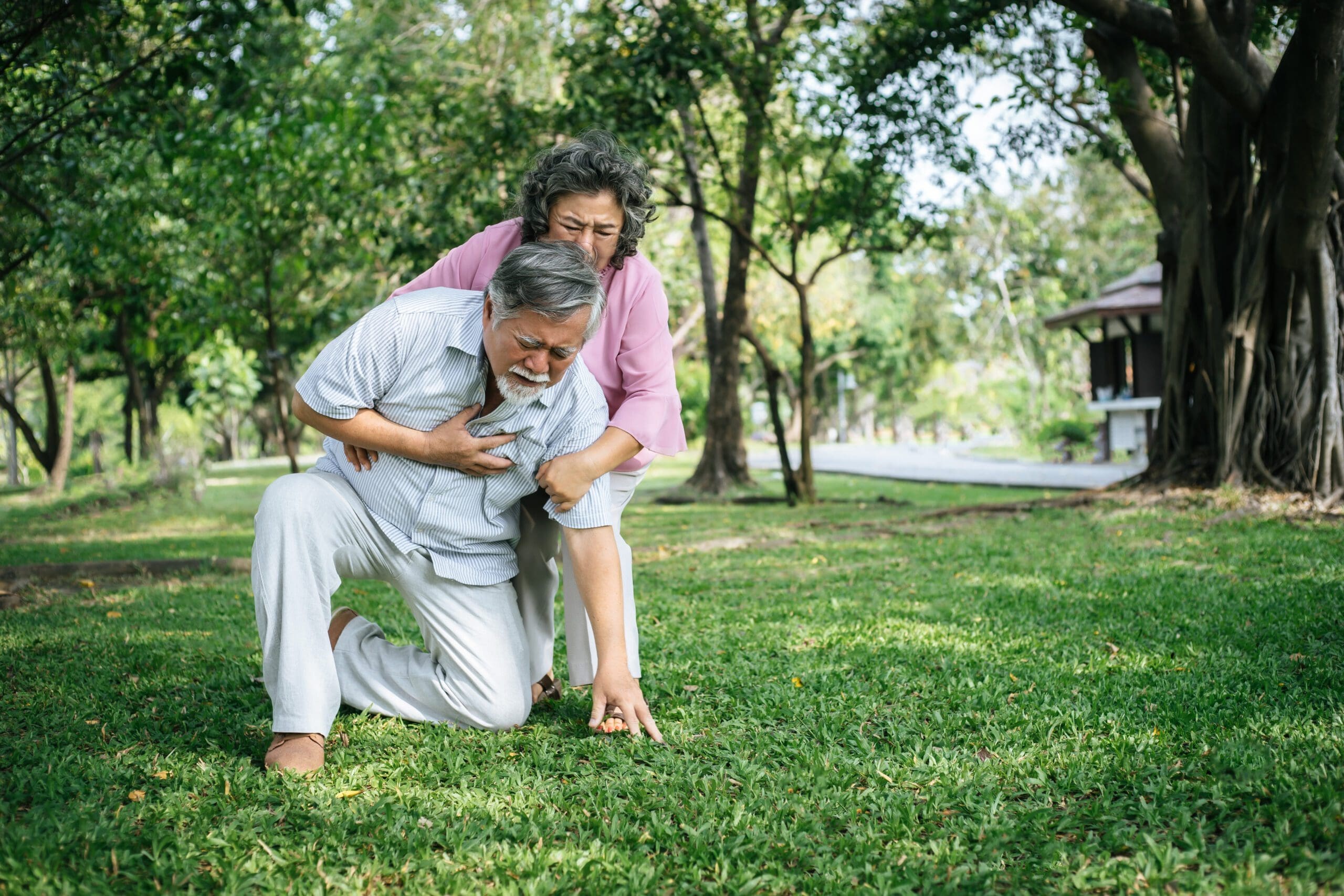
The mesothelioma type can affect survival rates as well. According to one study women who were diagnosed with epithelioid-like mesotheliom had a significantly higher survival rate than those suffering from sarcomatoid biphasic mesothelioma. This is due to epithelioid mesothelioma cells are more sensitive to treatment.
Other factors that can affect the survival rate of a mesothelioma patient include the type of asbestos they were exposed to, their age and general health. A mesothelioma expert will explain how each of these factors affects a patient's chance of survival. The mesothelioma sufferer will be aware of what to expect from their prognosis.
Type of mesothelioma
The mesothelioma cancerous can affect the linings of all organs. The symptoms of the disease can be confused with those of other ailments which could delay treatment. This may also cause mesothelioma to grow more rapidly. A physical exam is necessary to identify mesothelioma accurately. Multiple types of tests are also needed. Imaging tests (X-rays or CT scans) and biopsy are among these tests. The doctor examines the tumor under the microscope and removes a small sample of mesothelioma to confirm the diagnosis.
In general, people who have a mesothelioma in an early stage and those with the peritoneal variant of mesothelioma will live longer than those diagnosed with pleural mesothelioma. Furthermore the location of the tumor, or if it has a spread, can affect life the length of time. The location of the tumor may make it difficult to surgically remove the cancerous cells. In these instances doctors have to try to control the cancer with other treatments, including chemotherapy and radiation.
The most effective treatment plans are those that combine surgery with other therapies. Surgery such as EPP, HIPEC or P/D can keep mesothelioma in check for a number of months or even years. Following the initial mesothelioma therapy patients may be undergoing maintenance treatments to prevent the any recurrence of cancer.
The health and age of a person at the time of diagnosis can affect the chances of survival. Younger patients generally have better chances of survival due to the fact that they are healthier, which permits them to take part in clinical trials and receive the most advanced treatments available. Additionally they are less likely to suffer from other medical conditions that could hinder mesothelioma treatment.
The type of cancer and the stage will determine the length of time the patient's life span. The outlook of a mesothelioma patient will improve when they surround themselves with knowledgeable advocates, establish the right community of support and remain optimistic. Patients with mesothelioma must learn as much as they can about the disease and locate mesothelioma specialists to assist them with their treatment plan. Contact our experienced mesothelioma attorneys for more information about the best way to proceed for you or a loved one has been diagnosed with the disease.
Treatment
The rate of survival for mesothelioma is dependent on a variety of factors. The stage of cancer, the age of the patient and their overall health are all important to take into account. People diagnosed at a younger age are more likely to have better outcomes. People who have a more treatable mesothelioma variant tend to have longer lives than those who have an even more dangerous type. In addition, doctors can analyze the type of asbestos that a patient was exposed to in order to determine their prognosis.
Asbestos is a mineral that occurs naturally that is utilized in a variety of industries. It was banned in 1999 due to its hazardous and toxic properties. Anyone who was exposed to this substance are most likely to develop mesothelioma.
Malignant mesothelioma typically develops in the pleura, peritoneum or lungs and is often difficult to diagnose because the symptoms may resemble the symptoms of other illnesses such as pneumonia or the flu. The life expectancy for mesothelioma diagnosis is 18 to 31 months.
Doctors who specialize in mesothelioma may offer treatment plans that are customized to each patient's diagnosis. This may include surgery, chemotherapy and/or radiation therapy. These treatments can also be used in conjunction to increase a patient's chances of survival.
In some cases, mesothelioma has grown to the point that it is not surgically removable. The goal of treatment for these patients is to reduce symptoms and prolong their lives as long as possible. This is known as palliative treatment. Symptoms such as chest pain, difficulty breathing and fatigue can be cured with medications like sedatives and strong painkillers. The lungs are prone to fluid accumulation. may also be treated with a weekly drain.
Participating in a study that evaluates a mesothelioma treatment can improve a patient's outlook. These trials are designed to offer patients the most effective treatments.
It is important to understand that mesothelioma survival rates only give an estimate of how likely one is to be afflicted with their cancer. These numbers are based on groups of people with similar cases. This is why it's so important to obtain a mesothelioma diagnosis.